


 The inky depths of the ocean. A steady beam of light pierces the darkness, illuminating swaying coral gardens and curious fish peering back. This light comes from the reliable partner on your head – your dive headlamp. It doesn't just light your path of exploration; it's a critical component of underwater safety. A flicker, an unexpected failure – in the deep blue, these can instantly turn into a crisis. Choosing a truly trustworthy dive headlamp is a solemn commitment every diver makes to their own safety.
Step 1: Decoding Core Metrics – Brightness (Lumens) & Beam Performance
- Lumen Output (Lumens): Don't be fooled by numbers! Higher isn't always better.
- For beginners or calm-water night dives, 500-800 lumens suffices to illuminate your immediate surroundings.
- For advanced divers or complex environments (poor visibility, caves, wrecks), opt for 1000-1500+ lumens for superior penetration and a wider field of view.
- Crucial: Beware of inflated lumen ratings. Prioritize trusted brands with verified, real-world performance data.
- Beam Pattern & Quality:
- Spot Beam: Concentrated, long-distance beam. Ideal for penetrating murky water to spot distant objects or for signaling.
- Flood Beam: Wide-angle, soft, and even illumination. Perfect for lighting up a broad work area close up or examining fine details on marine life.
- Ideal Choice: A headlamp featuring dual spot/flood modes, or even stepless dimming, allowing flexible adaptation to different dive scenarios (e.g., search patterns vs. macro photography).
- Color Temperature (Kelvin - K):
- Cool White (6000K+): Bright, high penetration. Can cause more backscatter from particles.
- Warm White (3000-4500K): Better color rendering (objects look more natural), reduces particle backscatter glare, easier on the eyes during prolonged use.
- Bonus: Some high-end headlamps offer adjustable color temperature.
- Battery Type:
- Rechargeable Lithium-Ion (Li-ion): The mainstream choice! Lightweight, eco-friendly, no memory effect.
- Opt for: Built-in USB-C magnetic charging (no opening ports = better waterproof reliability). Fast charging support is a plus.
- Check: Battery capacity (mAh). Higher capacity = longer runtime.
- Disposable Batteries (AA/AAA): Primarily a backup option.
- Pros: Easily replaceable in remote/extreme locations.
- Cons: Not eco-friendly, higher long-term cost, heavier, brightness dims as voltage drops during use.
- Critical if Used: Ensure the headlamp supports them and the battery compartment has an absolutely reliable, robust seal.
- Rechargeable Lithium-Ion (Li-ion): The mainstream choice! Lightweight, eco-friendly, no memory effect.
- Runtime: Manufacturer ratings are often based on the lowest brightness setting. You MUST know the runtime at your primary working brightness level. A typical night dive lasts 60-90 minutes. Your headlamp's runtime at its main setting must significantly exceed this (aim for 2.5+ hours), providing ample reserve for ascent, safety stops, and contingencies.
- Battery Indicator: A clear visual (LED) or audible low-battery warning is essential to avoid sudden "blackout" underwater.
- Waterproof Rating: IPX8 is the ABSOLUTE MINIMUM! It must explicitly state its rated depth (e.g., IPX8 150m). This certifies it can withstand continuous immersion at that depth without leaking. While dive depths often exceed headlamp ratings (pressure increases dramatically), IPX8 is the fundamental safety guarantee.
- Critical Construction Features:
- Unibody Design/Minimal External Ports: Reduces potential water entry points.
- Reliable Sealing:
- O-ring material (e.g., high-quality silicone), number, and design (multiple seals) determine waterproofness.
- Maintenance: Regularly inspect, clean, and lightly lubricate O-rings with silicone grease.
- Tactile Buttons vs. Touch Controls: Physical buttons (especially large, glove-friendly ones) are generally considered more reliable underwater – less prone to accidental activation or failure.
- Safety Certifications:
- CE / FCC: Basic electromagnetic compatibility and safety certifications.
- Professional Dive Certifications/Testing: Look for brands that conduct rigorous internal pressure testing or, better yet, provide reports from independent third-party dive testing laboratories. This is a significant plus.
- Headband System:
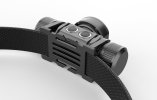
- Material: Quick-drying, saltwater-resistant, with moderate elasticity (e.g., silicone-covered webbing).
- Adjustability: Easy to adjust one-handed. Must stay securely in place without slipping, even during rolls or in currents. Comfortable, not tight. A bifurcated (split) design distributes pressure better.
- Compatibility: Must integrate comfortably with dive hoods and mask straps without interference.
- Lamp Head Adjustment: Wide-angle tilt adjustment (≥90 degrees) is vital. You should be able to easily redirect the beam using your chin or a light head bump, keeping your hands free for buoyancy control or tasks.
- Red Light Mode: ESSENTIAL FUNCTION!
- Doesn't disturb marine life (perfect for night observations).
- Preserves your natural night vision (use on deck or in tents).
- Crucial signaling light in emergencies.
- Switching to red light should be quick and intuitive.
- User Interface: The logic for turning on/off, switching modes (High/Low/Red/Strobe/SOS) must be clear, simple, and operable with thick gloves by feel alone. Avoid overly complex cycling menus.
- Key Accessories:
- Diffuser / Flood Lens: Converts the spot beam into a flood beam for close-up work or photography lighting.
- Quality Charger & Cable: Durable, supports fast charging.
- Robust Carrying/Storage Case: Protects the headlamp from damage during transport.
- Durability:
- Impact-resistant housing (common materials: Polycarbonate).
- Corrosion-resistant (look for salt-spray testing claims).
- Scratch-resistant lens.
- Long-lasting, aging-resistant O-rings.
- Brand & Warranty:
- Reputation & Focus: Prioritize brands with a long-standing, dedicated focus on dive lighting (e.g., Bigblue, Angryfox, Light & Motion, Tovatec). Their designs better reflect real diver needs.
- Warranty Policy: Look for clear warranty duration (at least 1-2 years), coverage details (Does it cover flooding?), and accessible, responsive customer service channels.
- User Reviews: Scrutinize genuine long-term user feedback on dive forums and professional review sites. Pay particular attention to comments about reliability and how warranty claims are handled.
| Selection Criteria | Key Focus & Recommended Standards | Pitfalls to Avoid |
|---|---|---|
| Brightness & Beam | ▶ Match Lumens to Need (500-1500+) ▶ Dual Spot/Flood Modes or Adjustable Beam ▶ Warm White for Comfort | ✘ Inflated Lumen Ratings ✘ Single, Fixed Beam Pattern |
| Battery & Runtime | ▶ Prefer USB-C Magnetic Recharge (Li-ion) ▶ Runtime >2.5h at Primary Setting ▶ Clear Battery Indicator | ✘ Runtime Only Spec'd at Lowest Setting ✘ Complex Battery Compartment |
| Waterproof & Safety | ▶ IPX8 Certified (with Depth!) ▶ Tactile Buttons Preferred ▶ Quality Multi-Seal O-rings ▶ Regular O-ring Maintenance | ✘ Vague Waterproof Claims ✘ Touch Controls (Less Reliable) |
| Comfort & Operation | ▶ Secure, Comfy, Quick-Dry Headband ▶ Wide-Angle Tilt Adjustment ▶ Red Light Mode ESSENTIAL ▶ Glove-Friendly Controls | ✘ Slippery Headband ✘ Missing or Hard-to-Use Red Light |
| Accessories & Support | ▶ Includes Useful Accessories (e.g., Diffuser) ▶ Impact/Corrosion Resistant ▶ Prioritize Dedicated Dive Brands ▶ Clear Warranty (≥1-2 Years) | ✘ Minimal Accessories or Sold Separately ✘ Brand Lacks Dive Expertise |
Choosing a dive headlamp is an act of entrusting your underwater vision. When the beam cuts steadily through the gloom, revealing the coral and fish before you, that peace of mind stems from the reliable partner lighting your way. Every descent is an exploration of the unknown and a test of your preparation – reliable gear is a mark of respect for life itself.
May this light always be bright, steadfast, and enduring, your most reassuring companion on your journeys into the deep blue. Save this guide, and let every entry into the water be a step taken in confidence and clarity.


